


Grape concentrate
Kimia Extract Sepahan produces high-quality grape concentrate using modern processing technologies and carefully selected grapes. Our grape concentrate features natural sweetness, a pleasant grape aroma, and a concentrated composition, making it a versatile ingredient for the food and beverage industry. With a specified Brix level of 70 ± 1, this product is suitable for manufacturing fruit juices, nectars, confectionery, bakery products, and various desserts. Through careful raw material selection, hygienic processing, and continuous quality control, Kimia Extract Sepahan focuses on delivering consistent product characteristics and reliable fruit-based ingredients that meet the diverse requirements of industrial food manufacturers and beverage producers.
Advanced Processing
Modern equipment and reliable fruit processing methods
Quality Controlled
Carefully monitored production for consistent product quality
Product Consultation
Guidance to help customers select suitable fruit concentrates
Industrial Packaging
Packaging solutions suited to industrial product requirements
Grape Concentrate: Features and Applications
Grape concentrate is a fruit-based ingredient produced by extracting juice from ripe grapes, filtering it, and removing a significant portion of its water content. This concentration process increases soluble solids while preserving the characteristic sweetness and flavor of grapes. With a specified Brix level of 70 ± 1, grape concentrate provides a concentrated source of natural fruit sugars, making it a versatile ingredient for various food and beverage formulations.Characteristics of Grape Concentrate
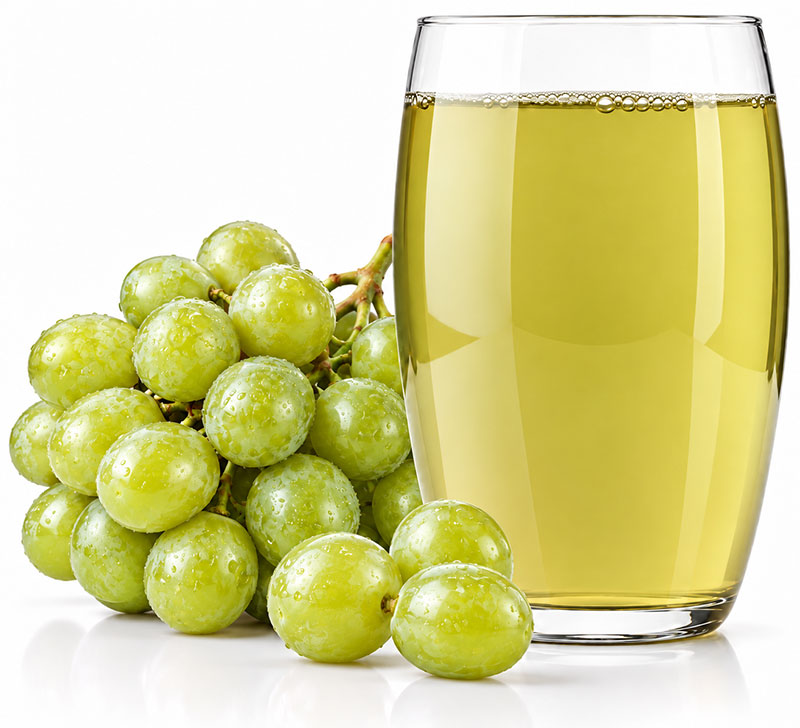
One of the main characteristics of grape concentrate is its naturally sweet taste, primarily derived from glucose and fructose. The concentrate can have a clear yellow appearance, depending on the grape variety, filtration process, and production conditions. Its concentrated composition allows manufacturers to adjust sweetness, flavor intensity, and soluble solids content in finished products. The natural grape aroma also makes it suitable for combining with other fruit ingredients.Nutritional Properties of Grape Concentrate
Grapes naturally contain carbohydrates, organic acids, minerals, and plant compounds, including polyphenols. Some of these components may remain in grape concentrate after processing, although their concentrations depend on the raw materials and manufacturing methods. Grape concentrate primarily provides naturally occurring sugars and may contribute small amounts of minerals and other fruit-derived compounds. However, the concentration process can reduce certain heat-sensitive nutrients, such as vitamin C. Its nutritional composition should therefore be evaluated using verified product specifications.Industrial Applications of Grape Concentrate
Grape concentrate is widely used in different areas of food manufacturing, including:- Beverages: Fruit juices, nectars, smoothies, and flavored drinks.
- Bakery Products: Cakes, pastries, biscuits, and fruit fillings.
- Confectionery: Candies, jellies, energy bars, and sweet snacks.
- Dairy Products: Ice cream toppings, flavored yogurt, and desserts.
- Jams and Marmalades: Fruit spreads and concentrated fruit preparations.
- Sauces: Sweet sauces, glazes, and specialty food formulations.
Storage and Handling
Proper storage is important for maintaining the flavor, appearance, and overall quality of grape concentrate. The supplied specifications indicate a storage temperature of 3–5°C. Aseptic bags placed inside metal drums provide a packaging format suitable for industrial handling and transportation. Storage conditions should follow the approved technical documentation to maintain product quality throughout its specified shelf life.Physical & Chemical Properties
| Brix (°Bx) | 70 ± 1 |
| Density | 1.28–1.29* |
| Total Ash Content (g/100mL) | 0.4–0.43 |
| Titratable Acidity (g/100mL) | 0.9–1.2 |
| pH | 3.9–4.0 |
| Formol Index | Min. 40* |
| Ethyl Alcohol (Ethanol) | 0.00* |
Optical & Sensory Properties
| Color (12° Brix, 440 nm) | Min. 50 |
| Clarity (12° Brix, 610 nm) | 91–96% T |
| Turbidity (12° Brix) | Max. 5 NTU |
| Appearance and Color | Clear, Yellow |
| Taste | Sweet |
| Odor | Natural Grape Aroma |
Storage & Packaging
| Storage Temperature | 3–5°C |
| Packaging | Aseptic Bags in Metal Drums |
| Net Weight | 265 ± 2 kg |
| Gross Weight | 278 ± 2 kg |
Microbiological Specifications
| Total Plate Count (CFU/g) | <10 |
| Acid-Resistant Bacteria (CFU/g) | <10 |
| Yeast and Mold Count (CFU/g) | <10 |
| Coliforms (MPN/100mL) | Negative |
No comment