


Fig concentrate
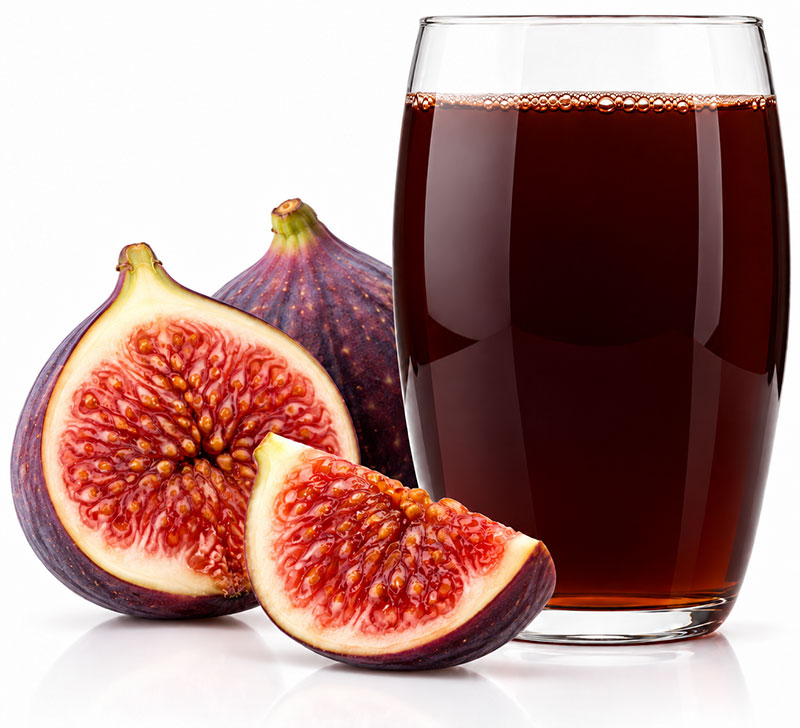
Kimia Extract Sepahan produces high-quality fig concentrate using modern processing technologies and carefully selected figs. Our fig concentrate features a characteristic fig aroma, a naturally sweet and fruity flavor, and a brown to dark brown color, depending on the fig variety and processing method. Its soluble solids content and other quality parameters are controlled according to product specifications and customer requirements. Designed for food and beverage manufacturing, fig concentrate is suitable for juices, fruit drinks, jams, sauces, confectionery products, desserts, and various industrial food formulations. Through rigorous quality control, hygienic production practices, and advanced processing equipment, Kimia Extract Sepahan is committed to delivering consistent product quality and reliable fruit-based ingredients tailored to the needs of food manufacturers and beverage producers.
Advanced Processing
Modern equipment and reliable fruit processing methods
Quality Controlled
Carefully monitored production for consistent product quality
Product Consultation
Guidance to help customers select suitable fruit concentrates
Industrial Packaging
Packaging solutions suited to industrial product requirements
Fig Concentrate: Properties and Applications
Fig juice concentrate is a concentrated fruit ingredient produced by extracting juice from figs and removing a significant portion of its water content. This process increases the concentration of soluble solids and produces an ingredient with a naturally sweet flavor and a characteristic fig aroma.
The Brix level of fig concentrate depends on the raw material, extraction method, and concentration process. Its naturally sweet profile makes it suitable for industrial food formulations requiring fruit-derived sweetness, concentrated flavor, and controlled soluble solids content.
Characteristics of Fig Concentrate
One of the main characteristics of fig concentrate is its naturally sweet flavor, which results from the sugars present in ripe figs. Its flavor profile may include mild caramel-like and dried-fruit notes, depending on the fig variety, fruit maturity, and processing conditions.
Fig concentrate typically has a golden-brown to dark brown color, although the exact appearance depends on the raw material and production method. Its aroma is characteristic of ripe figs and may become more intense during concentration. Depending on the extraction and filtration process, the finished product may vary in clarity, viscosity, and color intensity.
Nutritional Properties of Fig Concentrate
Figs naturally contain carbohydrates, including glucose and fructose, as well as organic acids, minerals, and various plant compounds. The nutritional composition of fig concentrate depends on whether it is produced from extracted juice or processed whole-fruit material.
Removing water during concentration increases the proportion of soluble solids, including naturally occurring sugars. The retention of minerals, phenolic compounds, and other naturally occurring components depends on the extraction, filtration, heat treatment, and storage processes.
Fig concentrate can contribute fruit-derived sweetness and characteristic flavor to food formulations. Because it may contain a high proportion of naturally occurring sugars, its carbohydrate and sugar content should be evaluated using the product’s laboratory analysis.
Industrial Applications of Fig Concentrate
Fig concentrate is used in food manufacturing for its natural sweetness, distinctive fruit flavor, and compatibility with a variety of formulations. Common industrial applications include:
- Beverages: Fruit-based drinks, juice blends, and selected specialty beverage formulations.
- Bakery Products: Cake fillings, pastries, cookies, and fruit-based bakery preparations.
- Confectionery: Fruit sweets, energy bars, fillings, and selected confectionery products.
- Jams and Fruit Preparations: Fruit spreads, fillings, toppings, and sweet fruit-based preparations.
- Dairy Products: Selected yogurt preparations, dairy desserts, and fruit-flavored formulations.
- Sauces and Dressings: Specialty sauces, glazes, and formulations requiring a naturally sweet fruit component.
- Food Ingredients: Products requiring concentrated fig flavor and fruit-derived sweetness, including selected snack and cereal formulations.
Storage and Handling
Fig concentrate should be stored according to the manufacturer’s approved technical specifications. Frozen storage at approximately -18°C may be suitable for certain commercial products, while other formulations may require different storage conditions depending on their processing method, water content, and packaging system.
Industrial packaging may include aseptic bags placed inside metal drums or other approved food-grade containers. Proper temperature control, hygienic handling, and protection against contamination help maintain the product’s flavor, color, and overall quality during storage and transportation. After opening, the concentrate should be handled hygienically and stored according to the supplier’s instructions.
Physical & Chemical Properties
| Brix (°Bx) | Product-Specific; Confirm with TDS |
| pH | Product-Specific; Confirm with TDS |
| Total Titratable Acidity | To Be Confirmed; Expressed as Citric Acid |
| Specific Gravity | Depends on Brix and Product Composition |
| Natural Sugars | Present; Exact Content Depends on Product Analysis |
| Added Sugar | According to Product Formulation |
| Added Preservatives | According to Product Formulation |
Optical & Sensory Properties
| Appearance | Concentrated Liquid |
| Color | Golden-Brown to Dark Brown |
| Taste | Characteristic Sweet Fig Flavor |
| Odor | Characteristic Ripe Fig Aroma |
| Clarity | Clear or Cloudy, Depending on Product Type |
| Viscosity | Depends on Brix and Processing Method |
| Foreign Matter | According to Approved Product Specification |
Storage & Packaging
| Storage Temperature | According to Approved Product Specifications |
| Packaging | Aseptic Bags in Metal Drums or Approved Food-Grade Packaging |
| Net Weight | Supplier-Specific; Confirm Before Publication |
| Gross Weight | Supplier-Specific; Confirm Before Publication |
| Shelf Life | According to Manufacturer’s Technical Data Sheet |
| Transportation | According to Approved Storage and Handling Conditions |
Microbiological Specifications
| Total Plate Count (CFU/g) | According to Approved Microbiological Specification |
| Yeast Count (CFU/g) | According to Approved Microbiological Specification |
| Mold Count (CFU/g) | According to Approved Microbiological Specification |
| Coliforms | According to Applicable Food Safety Standards |
| Escherichia coli | According to Applicable Food Safety Standards |
Note: The physical, chemical, sensory, and microbiological characteristics of fig concentrate depend on the fig variety, extraction method, concentration level, and storage conditions. Product-specific values should be verified against the manufacturer’s approved Technical Data Sheet (TDS) and Certificate of Analysis (COA) before publication.
No comment