


Pomegranate paste
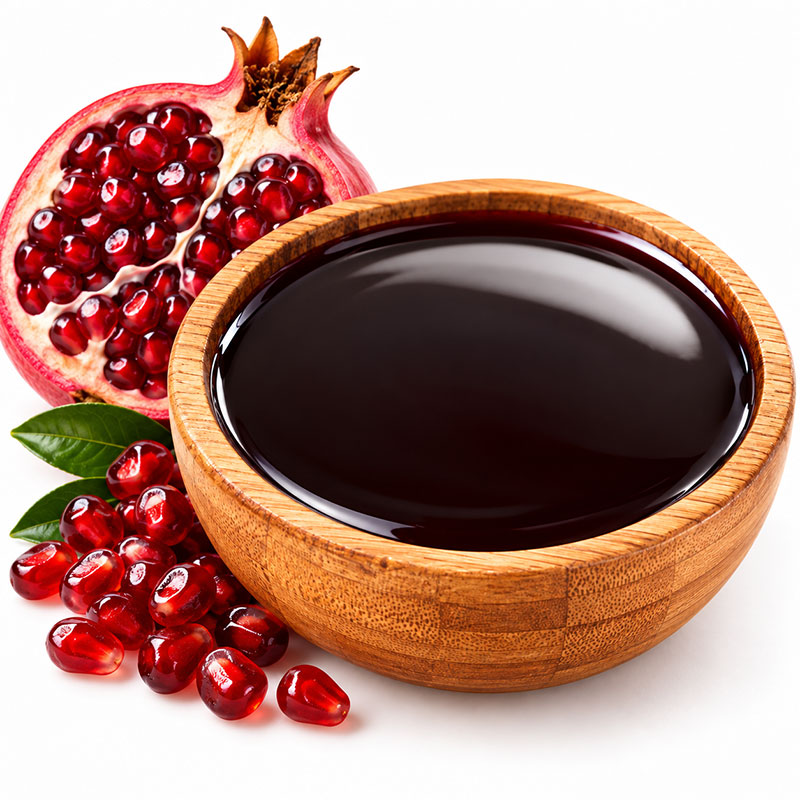
Kimia Extract Sepahan produces high-quality pomegranate paste using carefully selected pomegranates and modern fruit processing technologies. Our pomegranate paste, also known as pomegranate molasses, features a rich, concentrated texture, dark brown color, and distinctive astringent flavor. With a specified Brix level of 72–73, this product is suitable for various culinary and industrial food applications, including sauces, marinades, dressings, and specialty food preparations. Through careful raw material selection, controlled processing, and continuous quality monitoring, Kimia Extract Sepahan focuses on delivering consistent product characteristics and reliable pomegranate-based ingredients that meet the diverse requirements of food manufacturers and commercial buyers.
Advanced Processing
Modern equipment and reliable fruit processing methods
Quality Controlled
Carefully monitored production for consistent product quality
Product Consultation
Guidance to help customers select suitable fruit concentrates
Industrial Packaging
Packaging solutions suited to industrial product requirements
Pomegranate Paste: Properties and Applications
Pomegranate paste, commonly known as pomegranate molasses, is a concentrated fruit product traditionally obtained by heating pomegranate juice and reducing its water content. This process creates a thick ingredient with an intense pomegranate flavor, concentrated soluble solids, and a characteristic balance of acidity and astringency. With a specified Brix level of 72–73, pomegranate paste offers a concentrated composition suitable for various culinary and industrial food applications.Characteristics of Pomegranate Paste
One of the main characteristics of pomegranate paste is its distinctive flavor profile. Naturally occurring organic acids, fruit sugars, and tannins contribute to its combination of tartness, sweetness, and astringency. The product typically has a dark brown appearance, a concentrated consistency, and a natural pomegranate aroma. Its intense flavor allows manufacturers and culinary professionals to incorporate pomegranate characteristics into recipes using relatively small quantities.Nutritional Properties of Pomegranate Paste
Pomegranates naturally contain carbohydrates, organic acids, minerals, and plant compounds, including polyphenols and tannins. Some of these components may remain in pomegranate paste after processing. However, their concentrations depend on the raw fruit, manufacturing temperature, and concentration method. Heat-sensitive nutrients, particularly vitamin C, may decrease during production. The nutritional composition of the finished paste should therefore be evaluated separately from that of fresh pomegranates. Although pomegranate paste contains fruit-derived compounds, it should not be considered a treatment or preventive measure for medical conditions.Industrial Applications of Pomegranate Paste
Pomegranate paste is widely used in culinary preparations and food manufacturing, including:- Sauces and Dressings: Salad dressings, dipping sauces, and savory condiments.
- Marinades: Meat, poultry, and vegetable marinades.
- Traditional Foods: Regional dishes requiring concentrated pomegranate flavor.
- Ready-to-Eat Meals: Prepared sauces and specialty food products.
- Food Manufacturing: Selected formulations requiring concentrated acidity, fruit flavor, and astringency.
Storage and Handling
Proper storage helps maintain the flavor, appearance, and overall quality of pomegranate paste. The supplied specifications indicate a storage temperature of -18°C. Packaging should protect the product from contamination and unsuitable storage conditions. Manufacturers should follow the approved technical documentation regarding storage, handling, and shelf life.Physical & Chemical Properties
| Brix (°Bx) | 72–73 |
| Acidity as Malic Acid | 4.2–5* |
| pH | 2.7–2.9 |
| Tannin Content | 0.3–0.5* |
| Starch | Negative |
| Salt | Negative |
Sensory Properties
| Color | Dark Brown |
| Odor | Natural Pomegranate Aroma |
| Taste | Astringent |
Storage Conditions
| Storage Temperature | -18°C |
Microbiological Specifications
| Total Plate Count (CFU/g) | <10 |
| Acid-Resistant Bacteria (CFU/g) | <10 |
| Yeast and Mold Count (CFU/g) | <10 |
| Coliforms (MPN/100mL) | Negative |
No comment